






Ice bath
Mastering Ice Baths: Techniques for Optimal Cold Therapy
Jun
An Introduction to Ice Baths
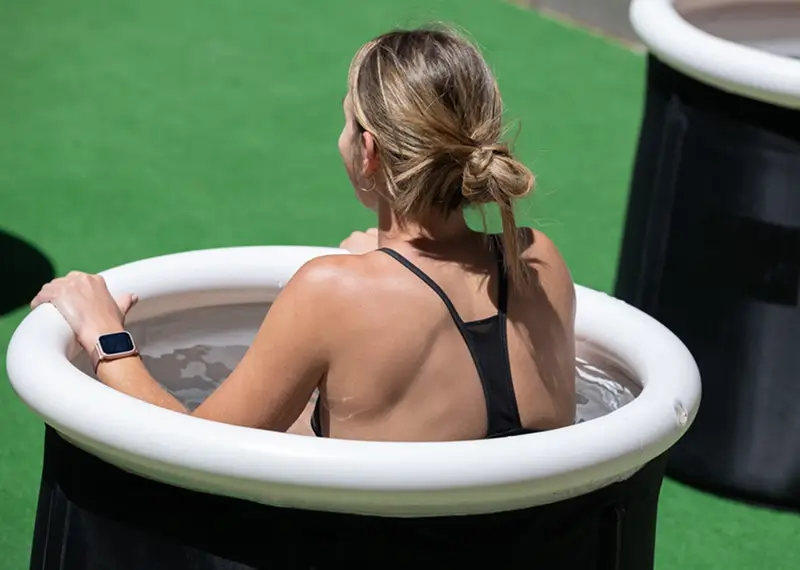
Ice baths, commonly referred to as cold plunges or freeze tubs, are practices increasingly adopted within athletic and wellness communities – in fact, the everyday Kiwi weekend warrier is no exception.
This ritual involves immersion in water, typically ranging from 5 degrees (or colder) to 15 degrees Celsius for a specified duration. While contemporary health enthusiasts are increasingly embracing cold exposure, its origins are deeply rooted in ancient civilisations, which used similar approaches for health and rejuvenation.
The interest in ice baths is closely linked to wellness trends that emphasise physical recovery and mental resilience. This practice has been further popularised by modern methodologies, such as the Wim Hof Method.
This technique combines cold exposure with specific breathing exercises to unlock potential health benefits, thereby promoting general well-being. In fact, Wim Hof’s method involves cold exposure and breathing exercises for improved health and well-being – but we just tend to know that corrective breathing also just helps us get through the uncomfortableness of jumping in cold water several times a week.
The Benefits and Risks of Ice Baths: What Science Reveals
Ice baths are used frequently for their wide array of health benefits. These include the alleviation of muscle soreness, reduction of inflammation, and enhancement of recovery processes. Exposure to very cold water environments results in vasoconstriction, a process where blood vessels constrict, reducing blood flow and minimising tissue swelling. Subsequently, when you start to get out of your Freeze Tub, the warmed tissues experience increased blood flow, facilitating the removal of metabolic waste accumulated during exercise – plus the ‘feeling’ is out of this world.
Nonetheless, the scientific evidence supporting the comprehensive benefits of ice baths remains clear. Some studies affirm reductions in muscle soreness and improvements in recovery time for athletes, yet individual variations are considerable.
Dale Folland, a Former Nutritionist and Owner of Freeze Tubs NZ has been using cold water therapy for decades, before it become a part of most health clubs and sporting facilities. He says ‘Cold water plunging has without a doubt, played an important role in my recovery during Football season’ He continues to say ‘I used to hobble around for 4-5 days after a match when I didn’t plunge, but have found if I plunge into my ice bath barrel after a game, I’m back into training way sooner’.
Long-term benefits and the precise mechanisms involved necessitate further investigation. Risks, such as potential cardiovascular strain, nerve damage, or extreme cold injuries like frostbite – although extremely rare, require a cautious approach, particularly for individuals with underlying health conditions.
Consultation with healthcare professionals is strongly recommended prior to integrating ice baths into personal wellness routines. Tailoring these baths to individual health requirements and conditions can mitigate risks and potentially enhance the rewarding experience of cold therapy.
Understanding the Physiology Behind Cold Exposure Techniques
The human body’s response to cold exposure is a highly regulated process involving several physiological mechanisms. As mentioned, vasoconstriction plays a pivotal role by reducing blood flow to the extremities, thereby diminishing inflammation and soreness. Concurrently, cold exposure stimulates the release of catecholamines, hormones that enhance mood and focus – this is one of the most powerful tools for people using Ice Baths who want to focus on mental health.
Innovative practices such as the Wim Hof Method demonstrate the fusion of controlled breathing with cold exposure. A 2021 study found that Hof’s method induced respiratory acidosis in participants, showcasing a unique physiological response. Although scientific validation is still being reviewed and researched, practitioners often report subjective benefits, leading many to regard it as an essential addition to traditional cold exposure techniques.
Even if some of the benefits are still being researched – you may as well enjoy it while the scientists are doing their thing,
Preparing for an Ice Bath: Essential Equipment and Safety Tips
Integrating ice baths into one’s wellness regimen requires a bit of preparation and adherence to safety protocols. The following checklist ensures readiness both physically and mentally:
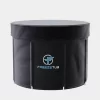
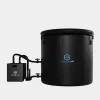
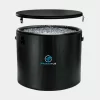
- Freeze Tub or Bath: Select a tub capable of withstanding icy conditions, ensuring it can accommodate a sufficient amount of cold water and ice for full-body immersion.
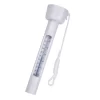
- Thermometer: Regular temperature assessments are vital to maintaining the optimal range of 5 degrees to 15 degrees Celcius.
- Timer: Initial plunges should be limited to 5 minutes if you are a beginner, allowing observation of the body’s response and gradual acclimatisation to cold water therapy.
- Insulation Mat and Safety Gear: An anti-slip mat provides stability and safety as you get in and out. For additional protection, consider thermal gloves and boots to preserve warmth while offering mobility, especially if the temperature is beloe 5 degrees.
- Warm Clothes and Heat Source: Post-therapy body temperature regulation is crucial. Utilise warm clothing, blankets, and a warm drink to facilitate gradual rewarming.
- Supervision and Environmental Safety: If you are a novice to cold water plunging, we’d advise you to have someone plunge with you (or watch) you during these initial stages so you’re aware of how your body reacts to the cold.
Step-by-Step Guide to Effective Ice Bath Techniques
- Preparation: Commence by filling the tub, only ¾ full with a mixture of ice and water, ensuring the temperature reaches the point you want it to. Create an environment with minimal distractions – and get in the zone.
- Entry and Initial Exposure: Enter the tub gradually, allowing gradual acclimation to the cold sensation. Limit initial exposure to a few minutes, especially for novices.
- Breathing and Relaxation: Engage in breathing techniques, similiar to those that help alleviate stress and facilitate relaxation. Conscious breathing is instrumental in modulating physiological responses to the cold.
- Progressive Adaptation: Over time, increase immersion duration, as well as water temperature, but not exceeding the 12 to 15 minute threshold, to avoid negative health impacts.
- Post-Therapy Recovery: Gradually return to warm temperatures. Gentle movement and warm clothing aid in restoring normal body functions without eliciting a sudden heat spike.
Integrating Breathing Techniques into Cold Therapy
Breathing techniques are integral to optimizing the experience and benefits of ice baths. Techniques, such as those delineated by Wim Hof, emphasise controlled breathing patterns to endure cold discomfort. Encouraged deep diaphragmatic breathing elevates blood oxygen levels, moderates stress responses, and enables a meditative state, culminating in a serene immersion experience.
This integration of breath and cold therapy is foundational, enhancing mental resilience over time. Interestingly, a calming breathing technique can take just a few minutes and benefit increases with regular practice.
The Role of Mental Preparation and Relaxation in Cold Therapy
Mental preparation forms a crucial underpinning beyond physical readiness, fortifying one’s ice bath experience. Entering the cold environment with a mindful, meditative mindset mitigates the typical shock associated with cold exposure.
Skills like visualisation and self-affirmations, plus breathing cultivate a healthy mental balance, easing the transition and enhancing the outcome you’re after. This mental conditioning is not supplementary; it is instrumental in reducing adverse effects while accentuating the positive facets of cold therapy.
Adapting Ice Bath Regimens for Maximum Recovery and Performance
Flexibility is essential when tailoring an ice bath regimen for recovery and optimal performance.
For athletes or those engaged in high-intensity physical activities, post-exercise ice baths can alleviate sore muscles and reduce inflammation. Adjust immersion times and temperatures dynamically to align with recovery goals.
Introduce cycles of hot and cold therapies to diversify benefits and establish a comprehensive response mechanism. Interestingly, most studies indicate the Wim Hof method does not enhance athletic performance over the short term, which stresses the importance of individualising regimens.
Listening to your body is paramount in developing an effective cold exposure regimen that fulfills specific performance and recovery objectives.
Advanced Cold Therapy: Combining Ice Baths with Other Wellness Practices
Harmonising ice baths with supplementary wellness practices offers a multidimensional approach to health. Activities like yoga, pilaties and meditation complement the physical effects of cold exposure by nurturing mental elasticity and emotional stability.
Similarly, alternative modalities like cryotherapy provide controlled environments to adapt cold exposure for diverse needs – there are a lot of different health approaches that will provide similiar benefits so shop around, as they say, to ensure you find something that you can stick with, so it doesn’t end up being an expensive ‘fad’.
Exploring these synergies promotes a balanced approach to personal wellness – maximising physical recovery, mental clarity, and overall tranquility.
The Potential Impact of Cold Therapy on Mental and Physical Resilience
Cold therapy’s impact extends beyond physical recovery, significantly enhancing mental resilience. Enduring the rigors of cold exposure fosters mental fortitude, concentration, and stress-handling capabilities transferable to everyday challenges. Regular cold therapy practice cultivates a robust ability to manage stress, elevate mood, and fortify emotional resilience against life’s demands.
In summary, mastering ice baths entails a comprehensive understanding of both physical and psychological domains. By harnessing the synergistic power of controlled breathing and mental preparation, ice baths can serve as multifaceted instruments to enhance physical recovery and mental fortitude – as well as a lot of fun for something different to do.
Due to potential cold water shock, a consultation with healthcare professionals is vital when integrating new practices, particularly if pre-existing health conditions are present, ensuring a safe and beneficial ice bath therapy experience.
